

The World’s Top 100 ClubFitters represent the highest level of expertise in golf equipment fitting. These are not casual practitioners or retail sales staff. They are career professionals who have spent years, often decades, developing the technical knowledge, hands-on experience, and judgment required to improve player performance.
At this level, clubfitting is not a sales function. It is a discipline built on understanding swing dynamics, ball flight, physics and equipment design, then applying that knowledge with precision. Every detail matters, from loft, lie, face angle, and head design to shaft profile, frequency, total weight, swingweight, and trajectory. The decisions made by these fitters are based on data, observation, and experience, not guesswork or brand bias. They utilize state-of-the-art technologies and continually hone their skills.
Good coaches have always understood that improperly fit equipment can limit even talented players. Many golfers still practice and play with ill-fitting clubs that force compensations, influence mechanics, and make improvement harder ,if not impossible, to achieve. Properly fit equipment is not simply an upgrade. It is a critical necessity to assure the golfer is maximizing their swing for efficient and repeatable performance.
The term “clubfitting” is now used so broadly that its meaning has often been watered down. Large retail environments, online systems, and sales-driven models often lack the depth of knowledge, skill, experience and build expertise required for true fitting. These venues tend to put profits ahead of maximum performance for the golfer.
The World’s Top 100 have been selected for their skill, experience, and integrity. These talented Top 100 Clubfitters will take the time to get to know the golfer, their game and their goals. They are dedicated to helping every golfer improve and get maximum enjoyment out of their game of golf.
The distinction of The World’s Top 100 ClubFitter is earned, not claimed. These professionals are recognized for:
- Extensive experience – Years of real-world fitting, building, and problem-solving across all player types.
- Established reputation – Trusted by serious golfers, competitive players, industry peers, and the golfing public in their community. They are known for getting real results and improvement for their golfers.
- Technical proficiency – Mastery of swing dynamics, advanced tools and technology, measurement systems, and build techniques.
- Independence and integrity – Equipment recommendations driven solely by performance outcomes.
- Precision craftsmanship – The ability to translate fitting data into precise, tour-level builds .
The World’s Top 100 ClubFitters operate at a standard where details matter, skill is paramount, integrity is mandated, tolerances are tight, and results are accountable.
Congratulations to the World’s Top 100 ClubFitters of 2026—individuals whose reputation, experience, and technical expertise define what true clubfitting should be.
| AUSTRALIA | NSW | Jeff Mansfield | Jeff Mansfield Golf Solutions |
| WA | Greg Ashton | Golfstix | |
| WA | Mostyn Farmer | GolfStix | |
| AUSTRIA | Andreas Lauss | Makrogolf | |
| Florian Kepp | F K Golf | ||
| Harry Zott | HZ Fitting | ||
| CANADA | AB | Jorden Jensen | Alberta Golf Works |
| BC | Terry Stav | Golf West | |
| ONT | Sahil Kulkarni | SK Golf @ Moho Golf | |
| CZECH REP. | Jiri Voutroubek | Golf 59 | |
| Martin Voutrobek | Golf 59 | ||
| Petr Tippelt | Prime Fitting at Albatross Golf | ||
| DENMARK | Niels Pederson | GolfSmeden | |
| FRANCE | Olivier Chalon | C.O. Golf | |
| Jean-Michel Queva | Queva Clubfitting | ||
| Marc Brossard | MB Centre | ||
| Arnaud Smaghe | Gard & Golf | ||
| Joe Perroud | Fit at Joe's | ||
| Gaetan Seznec | Bretagne Clubmaking | ||
| Xavier Pousthomis | Atelier XP Golf | ||
| Damian Fantauzzo | Fitting Golf E Du Morbihan | ||
| Arnaud Maurin | 33 Golf Lab | ||
| GERMANY | Jean-Marc Gruner | JM Golf Fitting Germany | |
| Florian Sterr | JM Golf Fitting Germany | ||
| Gerald Friz | MyClubmaker GmbH | ||
| Erik Muschalla | PMG Performance Fitting Center | ||
| INDONESIA | Gavin Webb | Jakarta Golf Coach | |
| IRELAND | Bernard Quigley | Bernard Quigley Golf | |
| MALAYSIA | Jaya "Gop" Shanker | Golf Fitter Malaysia | |
| NETHERLANDS | Peter Graham | Peter Graham Golf Center | |
| Martin Groenendall | Absolute Golf | ||
| Felix Meijer | Absolute Golf | ||
| Flip van Cauwenberghe | FlipFit Golf at Bandeja Club | ||
| Wilbert Bruins Slot | Golfschool Westwould | ||
| Felix Meijer | Absolute Golf | ||
| PHILIPPINES | Francis Go | Custom Clubmakers International | |
| Jake Ong | Custom Clubmakers International | ||
| SINGAPORE | Joseph Loo | XLNgolf Pte Ltd | |
| Ignatius Tan | XLNgolf Pte Ltd | ||
| SLOVENIA | Viljem Kern | Kern Golf | |
| SOUTH KOREA | Brian Choi | Tayoon Golf | |
| SPAIN | Agustin Sanchez | Golfinteligente | |
| Florencio Fuentes Gonzalez | SwinGolf | ||
| Fernando Julia | Agile Golf | ||
| Paco Garriga | Agile Golf | ||
| Juan Carlos Garcia Diaz | Golf Planet - Oviedo | ||
| Mateo Noel | Fit & Golf | ||
| Alejandro Fernandez Comesana | IX-XI Golf Fitting Lab | ||
| Dani Ruano | The Fitting Golf Experience | ||
| Alfredo Benitez | The Clubmaker at Chaparral Golf | ||
| Santiago Jimenez | ProGolf - Sotogrande | ||
| SWEDEN | Johanna Pyk-Jargard | Johanna's Golf Shop | |
| Peter Wendel | Peter Wendel Golf | ||
| SWITZERLAND | Norbert Studer | R&L Golf | |
| UNITED KINGDOM | N.Ireland | Nigel Shaw | NS Golf Tech at Warrenpoint Golf Club |
| UNITED STATES | AL | Brandon Mason | 3BM Golf Studio |
| AZ | Rob Camacho | The Back Nine G | |
| CA | Hector Avila | Advanced Golf Performance Studio | |
| CA | Jim Perez | Advanced Golf Performance Studio | |
| CA | Manny Guzman | Advanced Golf Performance | |
| CA | J.T. Smart | J.T. Smart’s Players Academy | |
| CA | Brad Whalen | KZG Performance Center | |
| CA | Phil Moore | Phil Moore Golf | |
| CO | Bryan "Buddy" Beem | Buddy Beem Custom Clubs | |
| FL | Brad Fellinger | Fellinger Custom Golf | |
| FL | Mike D'Orazio | Mike's Honest Golf, PGA Natl. | |
| FL | Mike Riso | Mike Riso Golf | |
| FL | Alex Wilson | Broward Golf Center | |
| GA | Nick Prokosa | Wedges and Woods | |
| GA | Brandon Mason | 3BM Golf Studio | |
| IA | Chris Larson | The Clubhouse Indoor Golf | |
| MO | Ryan Bender | The Kinetic Club | |
| NC | Kelly York | Kelly's Custom Golf | |
| NJ | Tim Mosel | Tim Mosel’s Golf | |
| NJ | Bob Cardea | South Jersey Golf Schools | |
| NJ | Rich Stolz | South Jersey Golf Schools | |
| NJ | Tom Brower | Tee 2 Green Indoor Golf Center | |
| NJ | Bernie Dunne | Bernie Dunne Custom Clubs | |
| OH | Dave Freed | DV Golf | |
| PA | Jerry Hintze | The Clubmaker | |
| PA | Tim Musselman | Musselman's Golf | |
| PA | Jeff DeCoen | York Indoor Golf & Training Center | |
| TX | Leslie Knight | Next Level Golf | |
| WA | Alex Tibbits | Swing Lounge Spokane | |
| WA | Kyle Marvin | Westside Golf Academy | |
| WI | Scott Hauser | Northland Golf & Ski | |
| WI | Dave Enos | Northland Golf & Ski |
Criteria for Selection of The World’s Top 100 ClubFitters 2025
An independent panel of industry authorities has defined the rigorous selection standards for inclusion in the World’s Top 100 Professional ClubFitters. This distinguished panel comprises:
- Clay Long – Acclaimed club designer and personal fitter to Jack Nicklaus
- Gene Parente – President of Golf Laboratories, Inc., the industry’s leading equipment testing facility specializing in robotic testing engaged by virtually all major OEMs
- J.J. King – Founder and President of KZG, a leading custom ProLine golf equipment manufacturer
- Dr. Christian Reichardt – Sports medicine specialist and author of Pain-Free Golf
To ensure objectivity, a comprehensive 120-point evaluation matrix was developed based on ten weighted criteria. Each applicant is assessed against the following benchmarks:
This comprehensive assessment ensures that each recognized fitter operates at the highest level of technical precision, ethical practice, and customer-centered service.
Evaluation Criteria
- Golfer-First Philosophy (1–30 pts)
Demonstrates an unwavering commitment to player performance above all else. Reputation is built on results, trust, and long-term client success—not product volume. - Player Evaluation & Interviewing (1–10 pts)
Ability to accurately assess skill level, swing tendencies, physical constraints, and performance goals through a structured, professional intake process. - Communication & Education (1–10 pts)
Clearly explains the fitting process, equipment variables, and performance outcomes in a way that builds confidence and understanding. - Professional Experience (1–10 pts)
Depth of hands-on experience as a fitter, builder, instructor, or coach. Emphasis on years actively practicing—not just certifications. - Continuing Education & Technical Growth (1–10 pts)
Ongoing commitment to advancing knowledge in club technology, biomechanics, and fitting methodologies. - Equipment & Materials Expertise (1–10 pts)
Comprehensive understanding of clubhead design, shaft dynamics, materials, and manufacturing processes (forging, casting, composites, etc.). - Data & Technology Proficiency (1–10 pts)
Advanced use and interpretation of launch monitors, shaft profiling systems, swing analysis tools, and performance data to guide decisions—not replace expertise. - Component Matrix Depth (1–10 pts)
Maintains a broad selection of heads and shafts, enabling true optimization rather than limited-option fitting. - Build Integrity & Specification Control (1–10 pts)
Direct oversight of club assembly and verification. Ensures every finished club precisely matches fitted specifications (loft, lie, frequency, swingweight, etc.). - Ethics, Independence & Fit Standards (1–10 pts)
Operates with complete professional integrity. Prioritizes in-person fittings, avoids transactional “spec selling,” and remains independent of sales-driven bias.

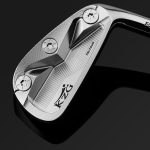
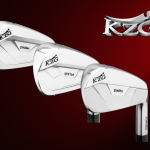

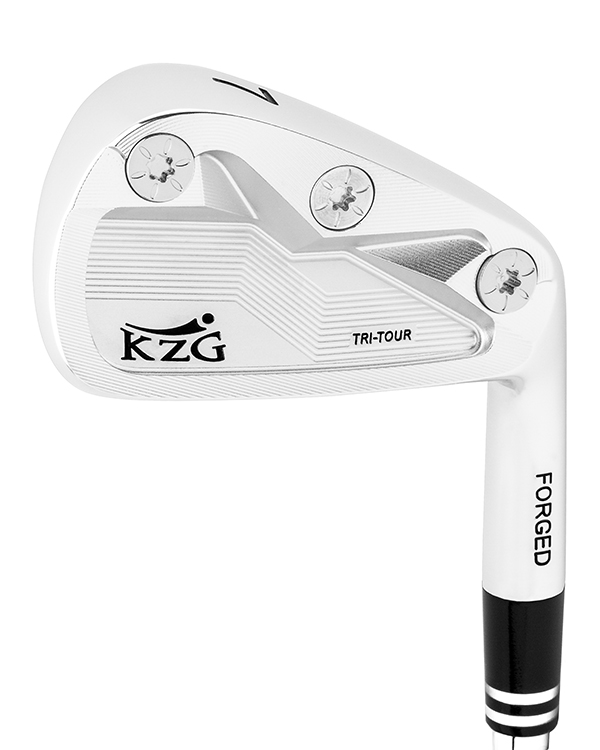
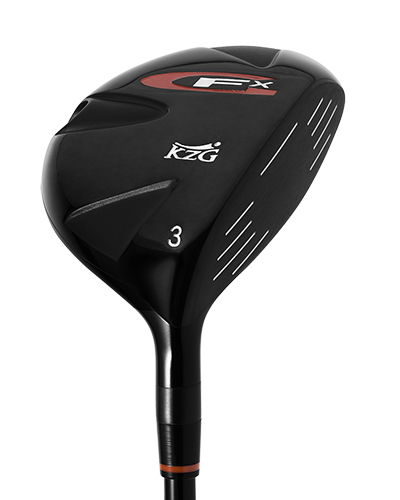

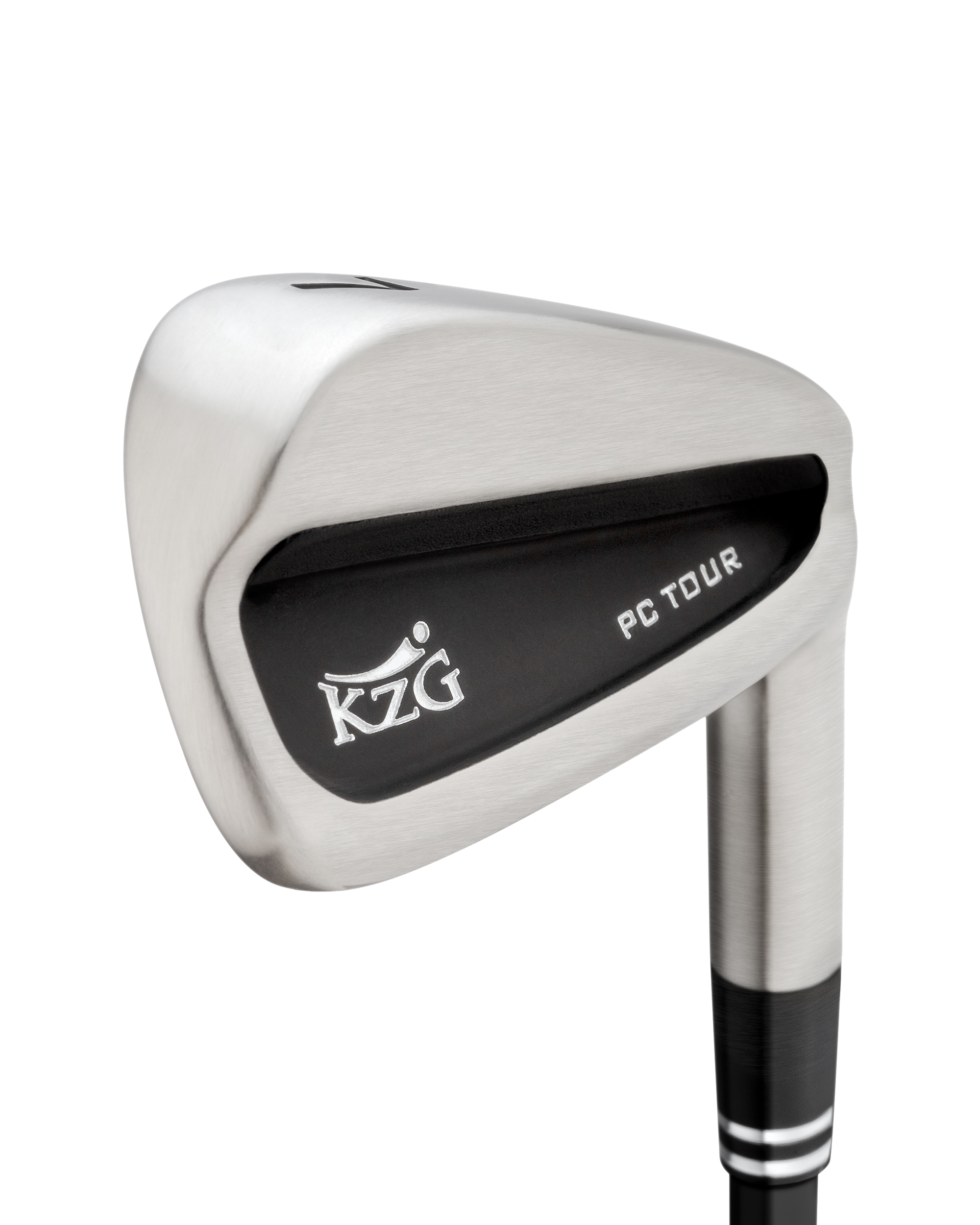
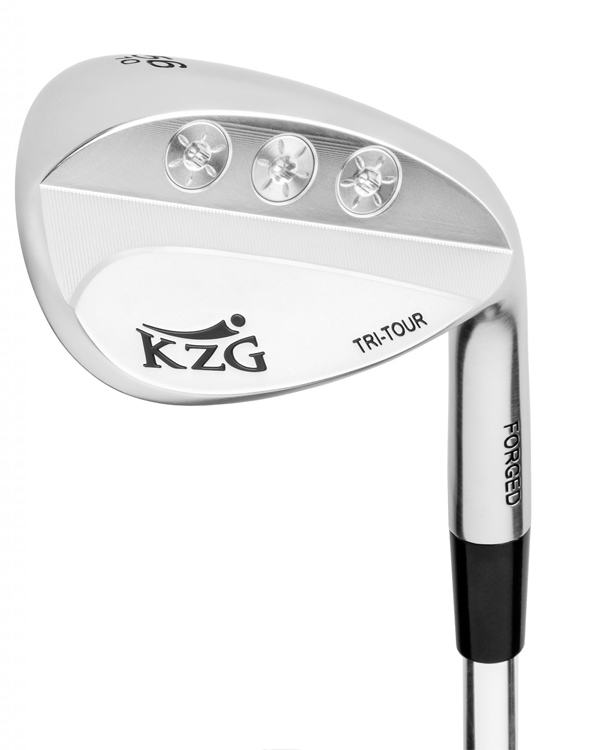
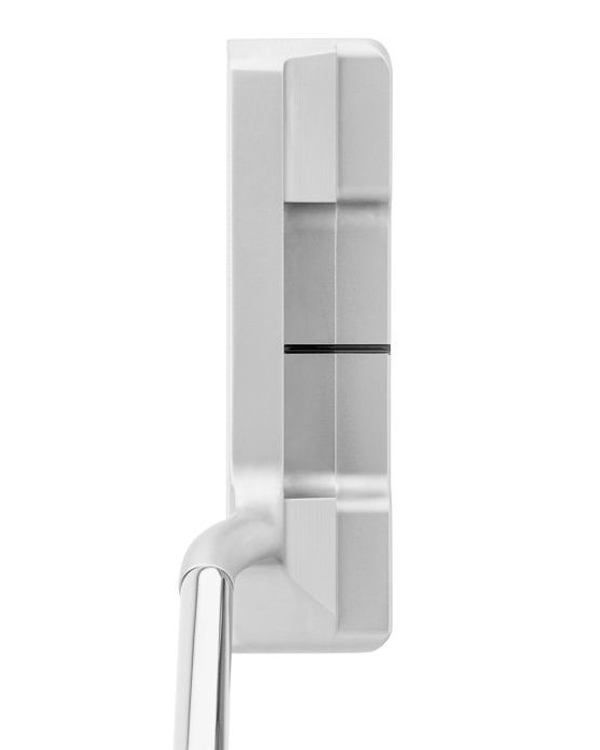


 KZG’s dedication to the game, award winning equipment and discerning practice of working exclusively with highly skilled Professional Coaches, Teachers and Clubfitters with integrity has catapulted KZG into the position as the #1 Custom Proline. Golfers from all skill levels love KZG Custom equipment that helps them improve and enjoy their game.